U S Polo Wholesale for Professional Buyers
For buyers searching U S Polo wholesale inventory, the real question is not whether the label is recognizable. It is whether the lot can produce margin at your selling channel, move within your normal stock cycle, and arrive with the information needed to trade it professionally. U.S. Polo Assn. can work well for outlet stores, independent fashion retailers, online resellers, and export buyers, but only when the assortment and buying terms match the market.
This is stock business. Availability changes, size runs are not always complete, and one lot may be far stronger than the next. A good purchase starts with checking the commercial details instead of buying on the brand name alone.
What to Check Before Buying U S Polo Wholesale
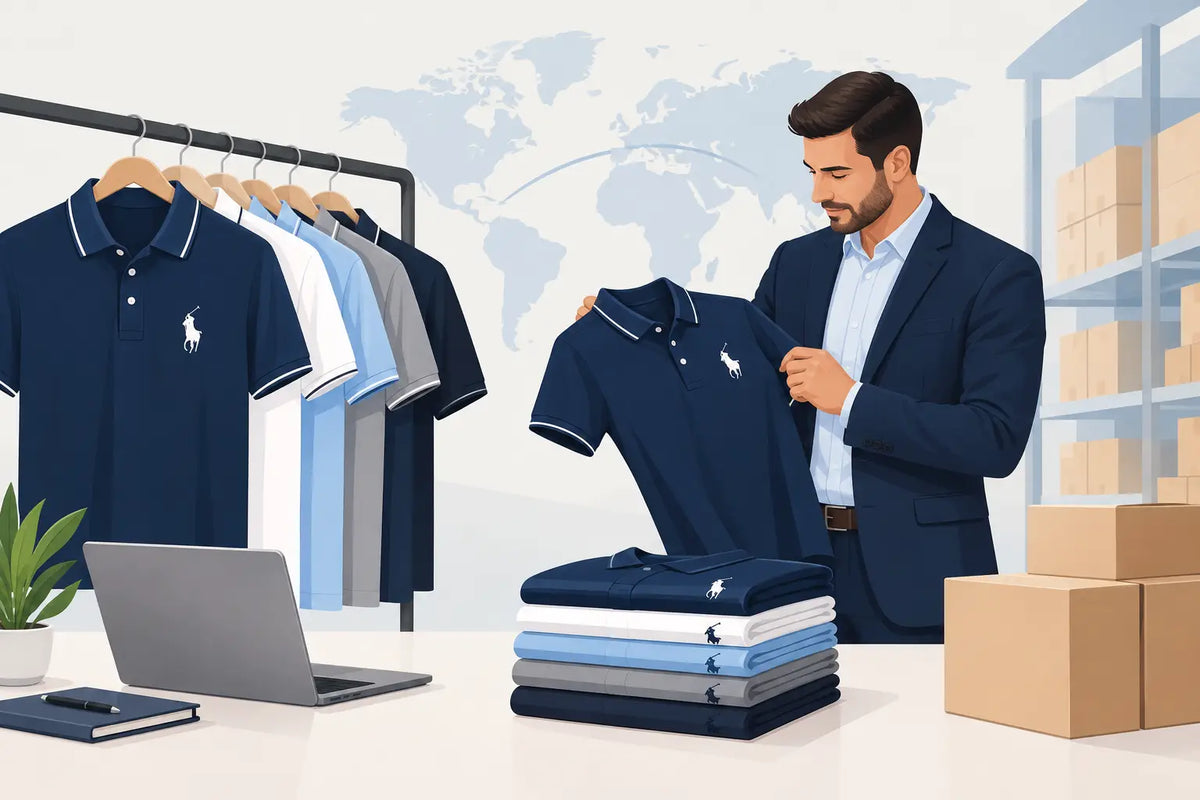
U.S. Polo Assn. is a familiar casualwear label with broad appeal. Polo shirts, T-shirts, sweatshirts, knitwear, jackets, jeans, footwear, bags, and accessories can suit different customer groups, from value-focused family shoppers to customers looking for recognizable everyday brands. That broad appeal is useful, but it does not make every stocklot equally sellable.
Start with the category mix. A lot built around core polos, basic T-shirts, sweatshirts, and seasonal outerwear may give a retailer several price points and a wider selling window. A narrow lot of highly seasonal pieces may still be profitable, but it requires the right timing and customer base. Summer apparel purchased late in the season can be a good export opportunity or a next-year hold, but it may be unsuitable for a retailer that needs immediate cash flow.
Then check whether the product is menswear, womenswear, kidswear, or mixed. A mixed assortment can be efficient for a store with broad customer traffic. For an online seller focused only on men's branded casualwear, a mixed lot can create unnecessary sorting work and tie up funds in products outside the core offer.
Size Distribution Matters More Than Piece Count
A wholesale price per piece can look attractive until you examine the size curve. Professional buyers should ask for a clear breakdown where available: sizes, colors, styles, quantities, and product categories. A pack with a high share of extreme sizes may require deeper markdowns. A balanced run of common sizes usually supports faster full-price or near-full-price resale.
The same applies to color. Classic colors such as navy, white, gray, black, and neutral tones tend to travel well across markets. Strong seasonal colors, large logos, or fashion-led designs can be excellent in the right store, but they need an audience that responds to them. Do not assume that a product selling quickly in one country will have the same result in another.
Stock Condition and Label Status
In surplus apparel, condition is part of the price. Buyers should confirm whether goods are new with tags, new without tags, samples, store returns, or items with minor irregularities. These categories should never be treated as interchangeable.
New goods with original labels are often the easiest to position in an outlet, physical retail store, or branded e-commerce listing. Products without labels can still be commercially usable, depending on the lot and local selling rules, but they may require a different price position and clearer internal handling. Samples may have incomplete sizing, special markings, or nonstandard packaging. They can suit experienced off-price operators, not every resale channel.
Ask about packaging as well. Individual polybags, hangers, cartons, and original presentation can affect labor time after delivery. If your team must sort, steam, repackage, photograph, and relabel every item, the purchase cost is only one part of your real landed cost.
Build the Price From Your Selling Channel Backward
The correct U S Polo wholesale purchase price depends on where and how you will sell the goods. An outlet operator may work with a different markup than an online marketplace seller. A wholesale distributor selling onward to small stores needs room for another buyer's margin. An exporter may have freight, customs, and local distribution costs that change the calculation completely.
Work backward from a realistic selling price, not a hopeful one. Estimate your expected average resale price by category, subtract VAT or sales tax where relevant, marketplace fees, payment fees, handling, rent, staff costs, shipping, returns, and expected markdowns. The remainder is the amount available for your purchase price and profit.
For example, a recognizable polo shirt may carry a good ticket value, but the result depends on condition, size availability, original retail positioning, and local competition. If your store has a strong customer base for branded basics, a larger purchase can make sense. If you are testing the brand or entering a new market, a smaller lot reduces exposure and gives you sales data before you commit more capital.
A low unit price is not always the best deal. A cleaner, more focused assortment can sell faster and leave more profit than a cheaper mixed package that includes slow sizes, outdated categories, or products your customer does not buy.
Documents, Authenticity, and Trade Restrictions
Brand recognition only helps if you can trade the goods confidently. Purchase from a supplier able to provide proper commercial documentation for the transaction. Your accounting, customs process, and downstream customers may require invoices, packing information, product descriptions, quantities, and country-of-origin details where applicable.
For cross-border business, confirm the destination before ordering. Some branded stock may be available for sale inside the European Union, while other lots may be intended for export outside the EU. Restrictions can vary by supplier agreement, product type, and destination market. Do not assume that access to a lot automatically means you can sell it in every country.
Professional buyers also check product labeling requirements in their target market. Fiber content, care labels, language rules, safety requirements for children's products, and import procedures can all affect resale. This is especially relevant when you buy for export, sell through marketplaces, or distribute to other retailers.
Choose the Right Lot Format
There is no single best buying format. It depends on your volume, cash position, storage capacity, and selling model.
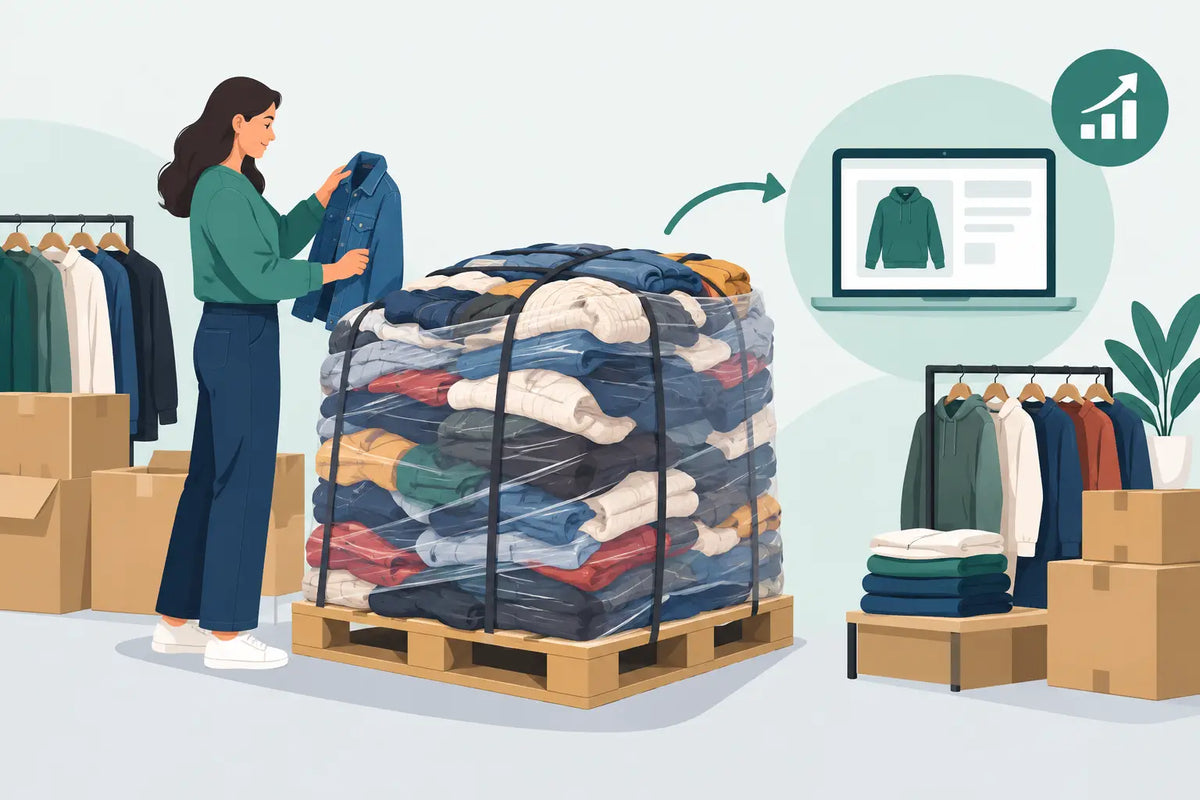
A pre-packed stocklot is usually efficient for buyers who want volume and accept a defined mix. It can offer strong value per piece and reduce sourcing time, but flexibility is limited. Handpicked stock is useful when you need tighter control over categories, sizes, or colors. It may cost more per item, yet it can reduce dead stock and simplify your merchandising.
Individual pieces are practical for smaller buyers, test orders, and businesses building a controlled assortment. A private entrepreneur or registered company can create a B2B account and buy individual branded clothes, shoes, and accessories when a full package is not the right fit. This approach is slower to scale, but it is often a sensible starting point for a new online store, boutique, or marketplace seller.
For larger buyers, packages and pallets make more sense when the product profile is proven. If you have sold comparable U.S. Polo Assn. goods before, know your best categories, and can receive volume, buying deeper can improve sourcing efficiency. The key is to buy depth in products you understand, not simply depth in whatever is available.
Plan Receiving and Selling Before the Goods Arrive
A stock purchase should have a resale plan before payment is made. Decide whether the goods will go to a store floor, outlet event, website, marketplace, wholesale customers, or export channel. Each route has different requirements for pricing, photography, descriptions, fulfillment, and returns.
When goods arrive, count cartons, verify quantities against the packing information, and inspect a sample from each category. Record discrepancies immediately. Sort the goods by category, size, and condition so your sales team can price and list them without delay. Fast processing protects the main advantage of stock buying: turning discounted branded inventory into cash before it becomes old inventory again.
U.S. Polo Assn. stock can be a practical addition to a branded casualwear offer when it is bought with discipline. Stock IT B2B buyers should treat each available lot as a separate commercial opportunity: check the mix, understand the condition, calculate the full landed cost, and buy only what your channel can sell. The best next order is usually the one you can merchandise and move quickly, not the one with the largest carton count.