How to Open a Wholesale Account for Apparel
A wholesale account is not just a login. It is the point where a supplier confirms that you are buying for resale and gives you access to trade pricing, stocklots, and order conditions built for professional buyers. If you are looking at how to open a wholesale account for apparel, the objective is simple: get approved quickly, see the available stock clearly, and buy inventory that supports your margin.
For off-price stores, online sellers, outlet operators, and import/export traders, account setup should take less effort than the sourcing decision itself. The real work starts after approval: checking product details, calculating landed cost, and choosing lots that fit your customers.
What a wholesale account gives you
A B2B account separates trade purchasing from regular consumer shopping. Depending on the supplier and your account status, it may give you access to wholesale prices, branded clothing packages, shoes, accessories, stocklots, and individual pieces offered to business buyers.
This matters in surplus fashion. Stock can move quickly, quantities can be limited, and an assortment may not return once it is sold. An approved account lets you review current offers and act when the brand, price point, and size mix match your sales channel.
For a large buyer, the account supports repeat purchasing and volume sourcing. For a smaller reseller, it can be a practical way to buy individual branded items or smaller quantities without committing to a full container or a long seasonal order. A private entrepreneur can generally open a B2B account in their own name if they operate a legitimate resale business, while companies can register under their business details.
How to open a wholesale account step by step
The registration process is usually straightforward, but accurate information prevents delays. Treat the application as part of your supplier relationship, not as a formality.
1. Register with real business details
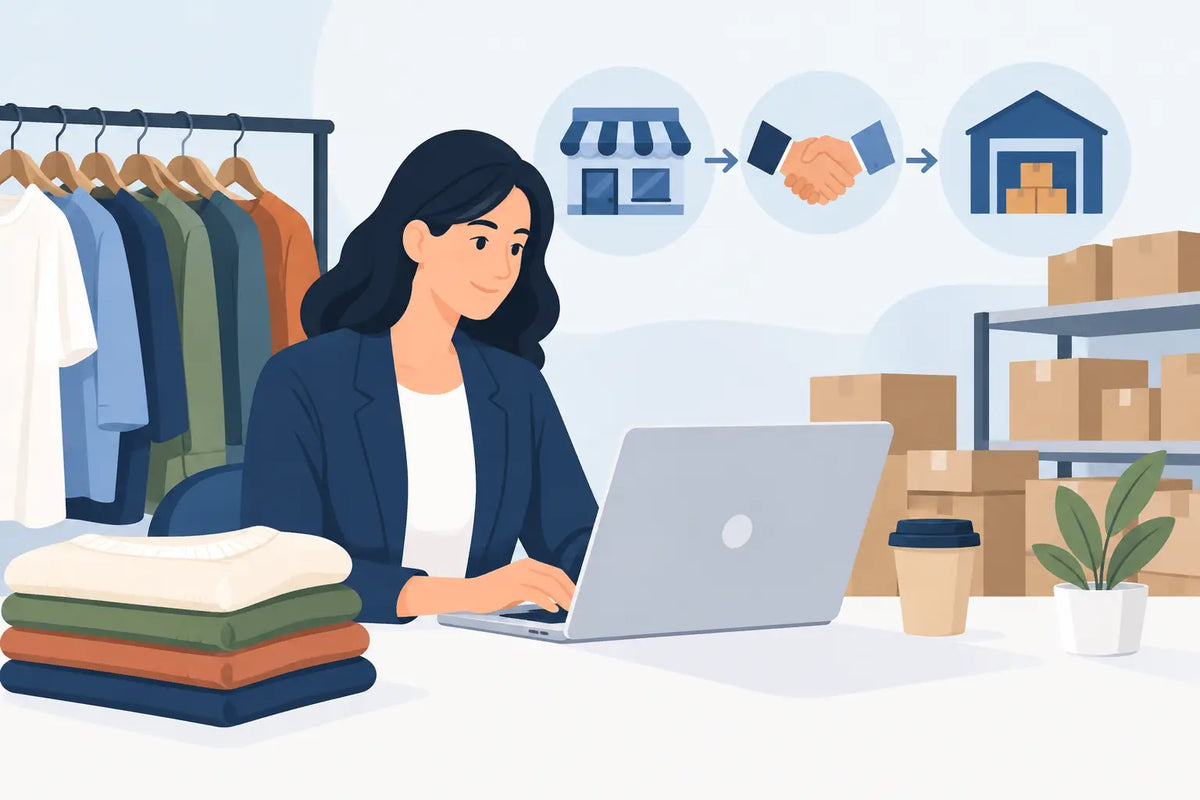
Start from the supplier's B2B registration area and enter the details used in your commercial activity. This normally includes your legal name or company name, billing address, delivery address, contact person, email address, phone number, and tax or registration information where applicable.
Use an email address you monitor. Wholesale suppliers may use it to confirm your registration, request documents, send order updates, or clarify your shipping destination. A missed email can delay access to time-sensitive stock.
If you are a sole proprietor or private entrepreneur, do not assume you need a large company to qualify. What matters is that you are purchasing for resale and can provide the information required for your business type. Requirements vary by country, supplier policy, and the value or destination of the order.
2. Prepare your resale and tax documents
Many wholesalers need to verify that an account is genuinely B2B. Have your business registration, tax identification number, VAT number if applicable, and resale documentation ready before you apply.
Buyers operating within the European Union may need a valid VAT number for intra-EU transactions. Buyers importing into the United States or other non-EU markets may need to provide the details required for customs clearance and local tax treatment. The exact documents depend on where you are registered and where the goods will be delivered.
Do not enter guessed tax numbers or use another business's information. It can cause an account rejection, invoice corrections, shipment holds, or customs issues later. Accurate registration is faster than fixing commercial paperwork after an order is packed.
3. Wait for B2B approval before planning an order
Some platforms activate accounts automatically, while others review new registrations manually. Approval may be immediate or may require a short verification period. If the supplier asks for additional information, respond clearly and provide complete documents in one message where possible.
Once approved, log in and review the commercial settings attached to your account. Check whether prices are shown with or without tax, what currency applies, whether minimum order values exist, and which shipping countries are available. These details affect the actual cost of every unit you buy.
At Stock IT B2B, the account is the practical route into the B2B shop, where professional buyers can review available branded apparel, footwear, accessories, packages, and stocklots according to current availability.
4. Build a buying profile before you add products
Approval does not mean every offer is right for your business. Before placing an order, define what you can sell quickly. Consider the brands your customers recognize, price ranges that work in your market, preferred categories, target sizes, and whether you sell through a store, marketplace, outlet, or export channel.
For example, a local boutique may prefer smaller selections of recognizable branded items with a focused size range. An off-price retailer may need mixed packages with a lower average unit cost. An export trader may prioritize volume, label mix, and destination eligibility over presentation-ready assortments.
Your buying profile keeps you from purchasing stock simply because the wholesale price looks attractive. Low cost is useful only when the goods can move at a profitable retail price.
Check the stocklot before you commit
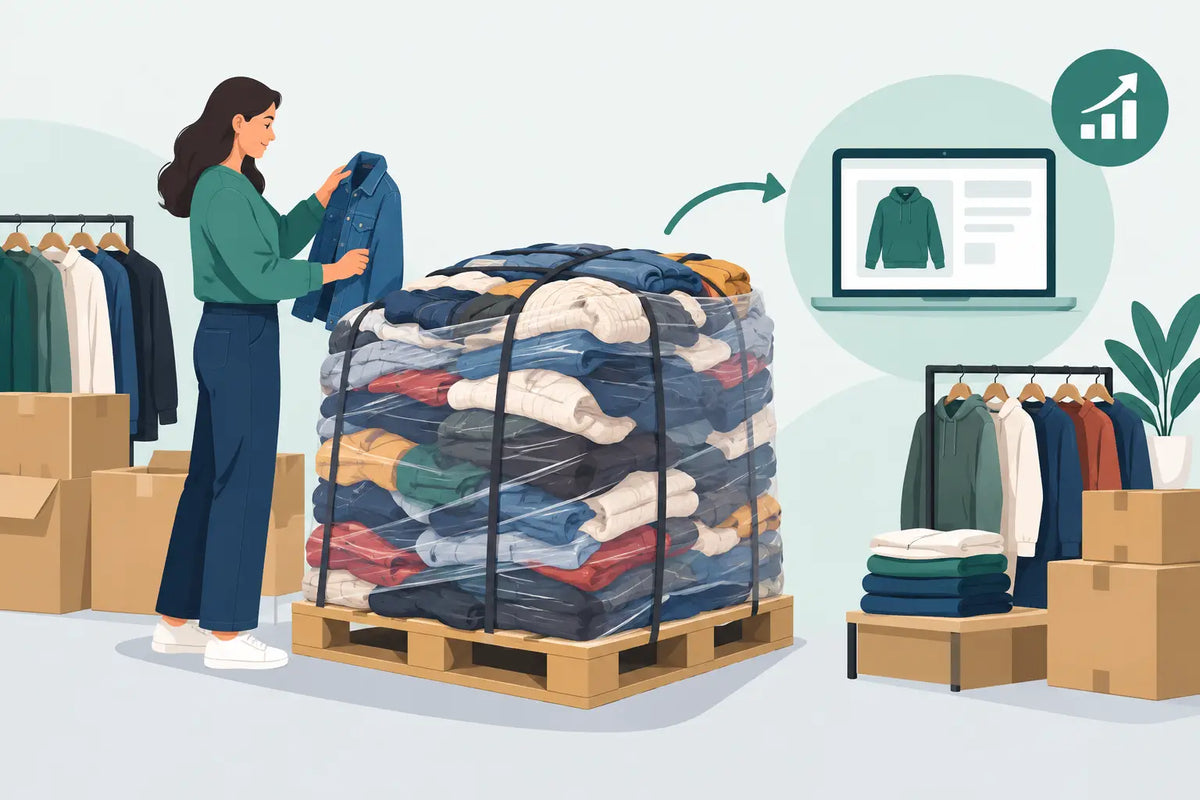
Surplus inventory is different from buying a current-season wholesale line. It may consist of leftover stock, samples, canceled orders, overproduction, or end-of-season goods. That creates opportunities, but it also requires careful product review.
Read each product description for quantity, category, brand, composition, condition, sizing, and packing details. Confirm whether the offer is sold as a fixed lot, a package, a mixed assortment, or individual pieces. Check whether images are representative or whether the exact goods shown are included.
For apparel, size distribution can decide whether a lot is profitable. A strong label will not solve a poor size curve for your customers. The same applies to seasonality. Heavy outerwear may be a good purchase at the right time and a slow-moving use of cash at the wrong time.
Ask commercial questions before ordering when information is unclear. Is the quantity exact? Are items new with tags? Is the lot mixed by color or style? Can the products be sold in your intended country? Clear answers protect your cash flow and reduce disputes after delivery.
Calculate the full landed cost, not only the item price
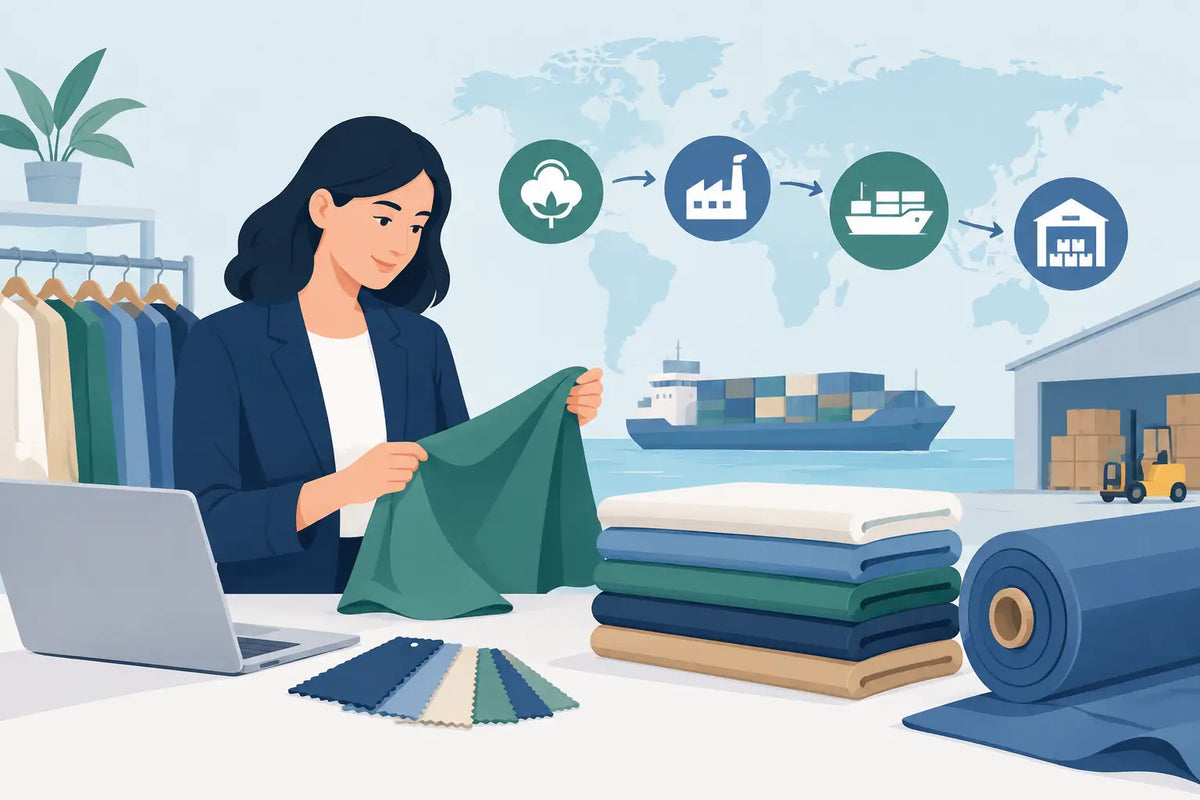
Wholesale buyers make money on the difference between landed cost and realistic selling price. The product price is only one part of that calculation. Add freight, insurance where needed, duties, customs brokerage, taxes, payment costs, repacking, storage, and expected returns.
A useful calculation starts with the total invoice value and divides it by sellable units. Then add your operational cost per unit. If a mixed lot contains items you know you will discount heavily, build that expected markdown into the average cost instead of treating every unit as equal.
For cross-border buying, confirm Incoterms, delivery responsibility, and import obligations before payment. A low wholesale price can lose its advantage if customs charges or local compliance costs were not included in your planning. Buyers outside the EU should also confirm that brand distribution and resale rules allow the intended market and channel.
Start with an order you can evaluate
A first order should test the supplier, the product quality, the packing standard, transit time, and the demand in your own market. That does not always mean buying the smallest possible quantity. It means buying a quantity you can inspect, list, merchandise, and sell without putting too much working capital into one uncertain assortment.
When the shipment arrives, check it promptly against the invoice and packing list. Record any shortage, damage, or major discrepancy with clear photos and order references. Good receiving procedures make it easier to resolve a legitimate issue and improve your purchasing decisions on future lots.
Then measure the result. Track sell-through by brand, category, size, and channel. A lot that produces a good gross margin but takes six months to sell may be less useful than a lower-margin lot that turns in four weeks. Fast stock movement often gives a reseller more purchasing power than a high margin sitting on a shelf.
Keep your account ready for repeat buying
Wholesale access works best when your account details, documents, and delivery information remain current. Review your tax information after a change of business address, legal entity, or shipping market. Keep your invoice data consistent with the party paying for and receiving the goods.
As you place more orders, refine your sourcing rules. You may find that certain brands sell best online, while others perform better in physical outlet locations. You may also learn that smaller packs produce faster turnover, or that larger stocklots justify the logistics cost only for export orders.
Open the account with accurate information, but make the first purchase with discipline. The strongest wholesale buyers are not the ones who buy every discounted lot. They are the ones who know exactly which inventory can move through their business next.