Can Private Entrepreneurs Buy Wholesale Stock?
A one-person resale business can move stock quickly when it buys the right products at the right entry price. But can private entrepreneurs buy wholesale? In many cases, yes. A private entrepreneur, sole proprietor, independent reseller, or newly registered company can often open a B2B account and purchase wholesale apparel, shoes, and accessories. The practical question is not whether you have a large company. It is whether you can meet the supplier's trade requirements and buy with a clear resale plan.
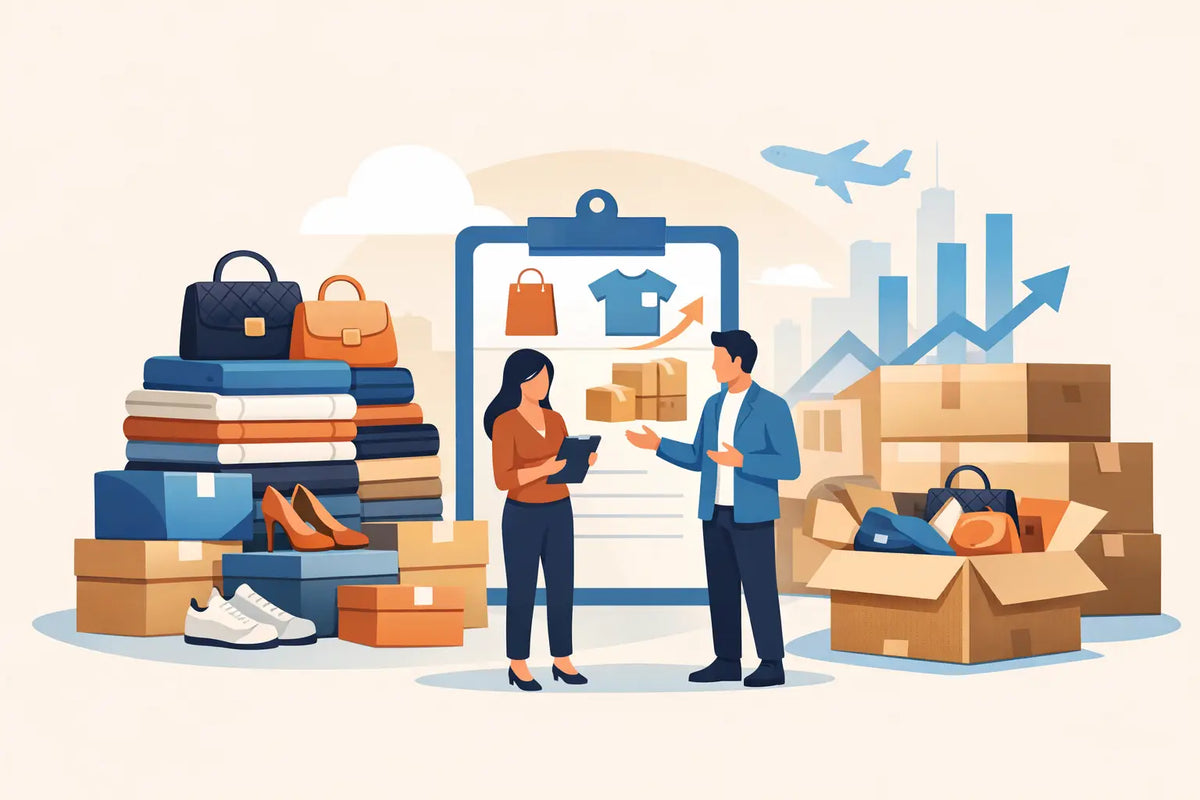
For branded surplus clothing, the opportunity is straightforward: recognizable labels can support faster sales than unknown product, while stocklots and individual pieces let smaller buyers test demand before committing to larger volume. The conditions, paperwork, minimum orders, and tax treatment still matter.
Can Private Entrepreneurs Buy Wholesale Without a Company?
The answer depends on what "private entrepreneur" means in your situation. If you operate as a sole proprietor, self-employed retailer, online seller, market trader, or registered independent business, you may be eligible for wholesale purchasing even without a corporation or large organization behind you.
Most B2B suppliers want to confirm that the purchase is commercial, not personal consumption. They may ask for a business name, registration number, tax ID, resale certificate, VAT number, or other documentation based on the country where the buyer and supplier operate. A formal company structure can make this process easier, but it is not always the only route.
A person buying for personal wardrobe use is not the same as an entrepreneur buying inventory for a webshop, boutique, outlet, marketplace store, or export operation. Wholesale pricing is built around resale activity. Suppliers use account registration to separate trade buyers from retail consumers and to apply the correct commercial terms.
What a Wholesale Supplier Will Usually Check
Account approval is not meant to create unnecessary barriers. It protects pricing, brand distribution, tax compliance, and the supplier's ability to serve professional buyers. Requirements vary, but a private entrepreneur should be ready to provide accurate business information.
For a US-based reseller, this may include an EIN or other tax identification information, a state sales tax permit, and a resale certificate where applicable. Requirements are state-specific. Some states issue resale certificates, while others use permits or alternative documentation. If you are purchasing from an overseas supplier, you may also need to consider import records, customs entry requirements, and duties.
For buyers operating in Europe, a valid VAT number may be required for intra-EU B2B transactions. Buyers outside the EU may purchase for export, but customs procedures, import taxes, and local regulations apply in the destination country.
Do not guess at the tax side of the transaction. A wholesale invoice, sales tax exemption, VAT treatment, and import duty are different parts of the process. A qualified accountant, customs broker, or tax adviser can confirm what applies to your business model.
Choose the Buying Model That Matches Your Stage
Private entrepreneurs do not all need the same type of stock. A new online seller may need small quantities across several brands to see what converts. An established off-price retailer may need mixed lots with enough depth to fill a sales floor. The correct wholesale purchase is the one that gives you a workable margin after every cost is counted.
Smaller buyers should look for suppliers that offer both stocklots and individual pieces. Individual products make it possible to build an assortment without placing a large commitment on one category, size run, or brand. This is useful when you are testing a new sales channel, starting an online shop, or learning which labels perform with your customer base.
Larger packages can deliver a lower unit cost, but they also require more capital, storage, and product knowledge. A low price per piece does not help if the lot contains sizes, colors, or styles that your audience will not buy. Wholesale is not only about buying cheaply. It is about turning inventory at a predictable rate.
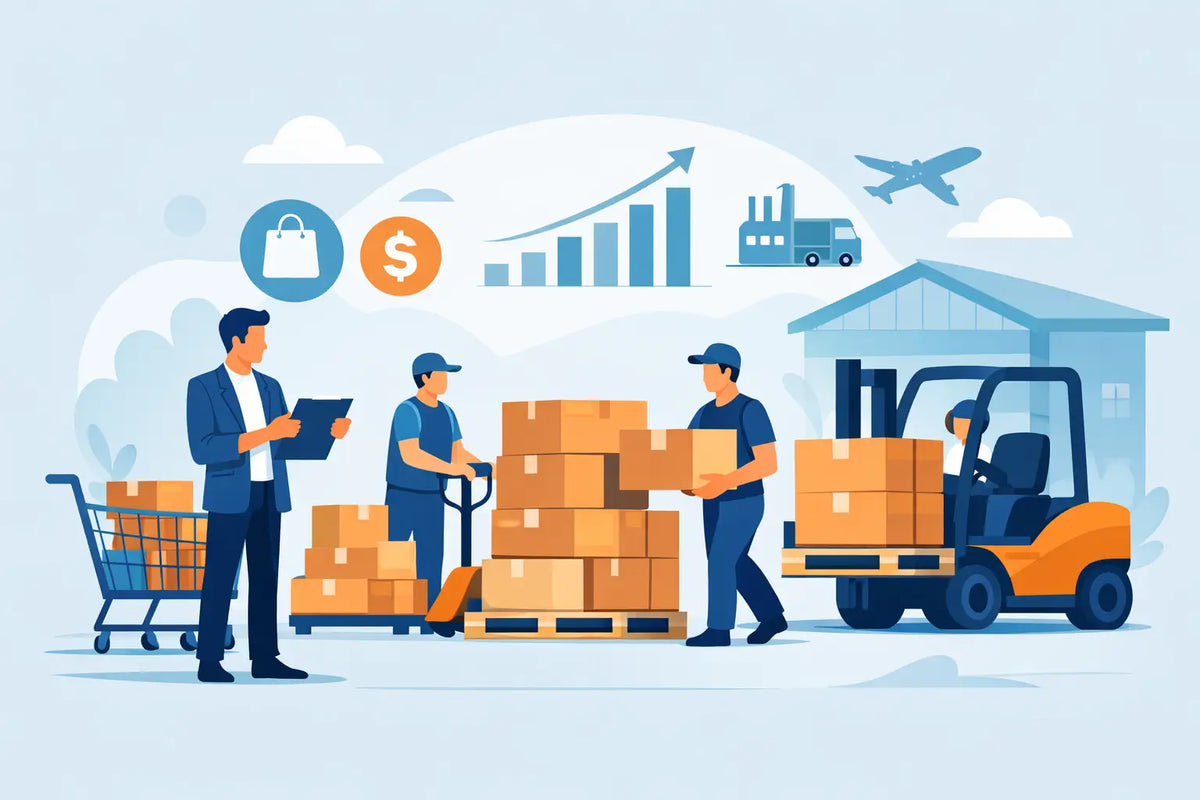
Before placing an order, calculate the landed cost per item. Include the wholesale price, shipping, insurance if used, customs duty, brokerage charges, payment fees, local tax obligations, packing materials, marketplace fees, and expected returns. Then compare that figure with a realistic selling price, not the highest price you have seen online.
Branded Surplus Stock Requires Careful Buying
Leftover collections, samples, overstock, canceled orders, and surplus inventory can create strong resale opportunities. These goods often come from established fashion channels but are sold outside the primary-season distribution model. That is why buyers can access branded apparel at prices that leave room for resale margin.
At the same time, stock inventory is not a standard replenishment program. Availability changes. A lot may be offered once and then be gone. Size assortments can be uneven, packaging can differ by product, and collections may include products from previous seasons. For an experienced reseller, this is part of the commercial advantage. You buy available stock when the numbers work, rather than waiting for a perfect assortment that may never be available at off-price levels.
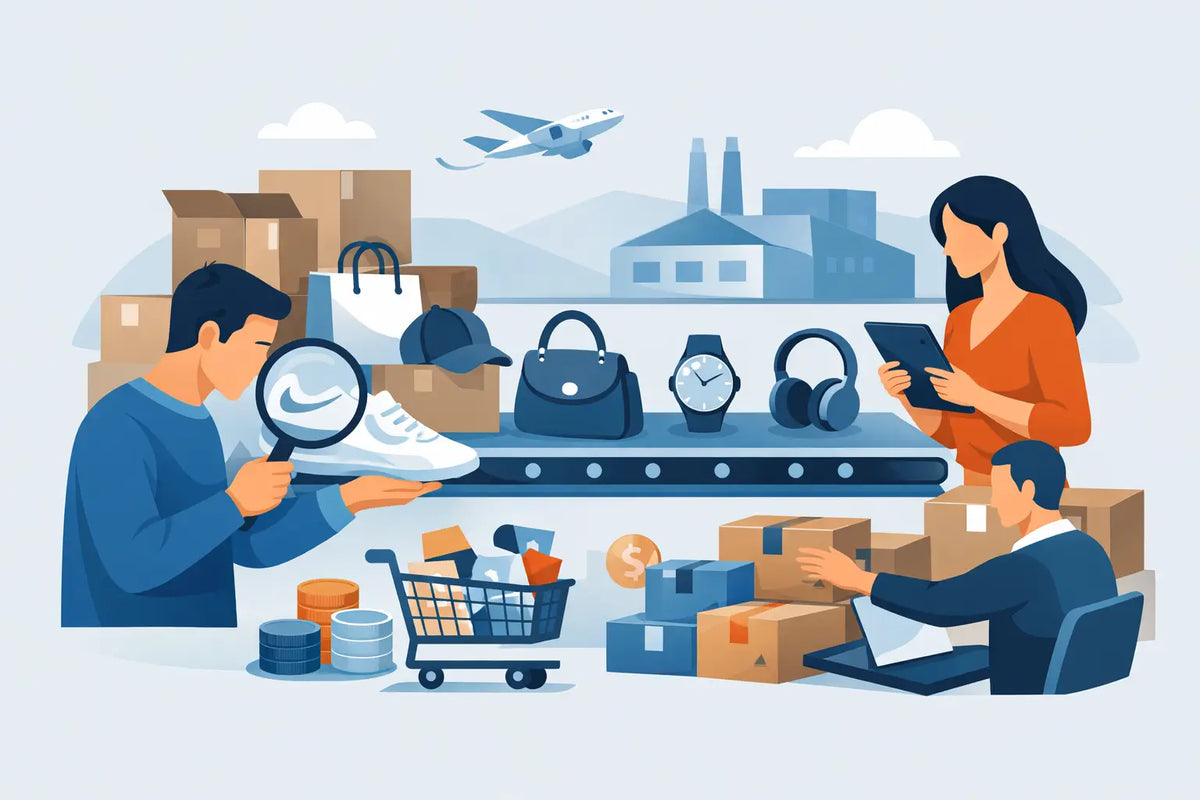
Check the product information carefully. Confirm the brand, category, quantity, condition, size range, country of origin where relevant, and whether the offer is sold as a mixed lot or by individual piece. Ask about any known restrictions on sales territory or channels before you buy. Brand recognition can support demand, but a disciplined buyer still needs to understand what is actually included in the order.
Set Up Your B2B Account Correctly
When registering for a B2B shop, use the business details you will use on invoices and shipping documents. If you trade as a sole proprietor, register under your legal name or registered trading name, depending on local rules. Keep your billing address, tax information, and contact details current.
This matters when an order crosses borders. Incorrect company details can delay invoices, customs paperwork, or delivery. It can also cause issues if you later need to document that the goods were bought for resale.
Stock IT B2B is structured for professional buyers who source branded clothing, footwear, and accessories as stocklots or individual pieces. That format can suit both an established distributor purchasing in volume and a smaller private entrepreneur building a resale business gradually. Registration gives buyers access to commercial product availability and a clearer route to placing repeat orders when suitable stock appears.
Start Small, Then Buy With Evidence
A private entrepreneur does not need to prove seriousness by buying the biggest available package. Start with stock you understand. If your customers respond to casual branded shirts, outerwear, sneakers, or accessories, build around that demand rather than following a supplier's lot size blindly.
Track sell-through by brand, category, size, and price point. Note how long each item takes to sell and which channels produce the best net return. Your own sales data is more useful than general assumptions about a label. A strong brand can still underperform if its sizing, style, or season does not fit your local market.
Once you see consistent demand, increase volume selectively. Buy deeper in categories with reliable turnover, and use smaller mixed purchases for unfamiliar brands or product types. This approach protects cash flow while helping you build a supplier relationship based on repeat, commercial purchasing.
Know When Wholesale Is Not the Right Move
Wholesale is not automatically profitable for every side business. It may be the wrong fit if you do not have a resale channel, cannot manage storage, or need every item to be identical and replenishable. It is also a poor decision if you are relying on a resale price that leaves no room for shipping, returns, discounts, and slow-moving inventory.
Private entrepreneurs should also avoid treating business documentation as an afterthought. Selling goods regularly may create registration, sales tax, consumer protection, and recordkeeping obligations. The exact rules depend on where you operate and where you sell.
The best first wholesale order is not the largest one. It is the order you can document properly, price profitably, and sell with confidence through a real business channel.